My Son Came Back To Disappear was written and directed in less than a year—a small miracle in an industry where films typically take an average of four years to make.
In early 2024, I finished reading David Clerson’s novel, convinced that my next film was hidden within its pages and that this cinematic gesture needed to be made quickly, spontaneously. I re-mortgaged my house and reached out to Louis-Emmanuel to produce it with me.
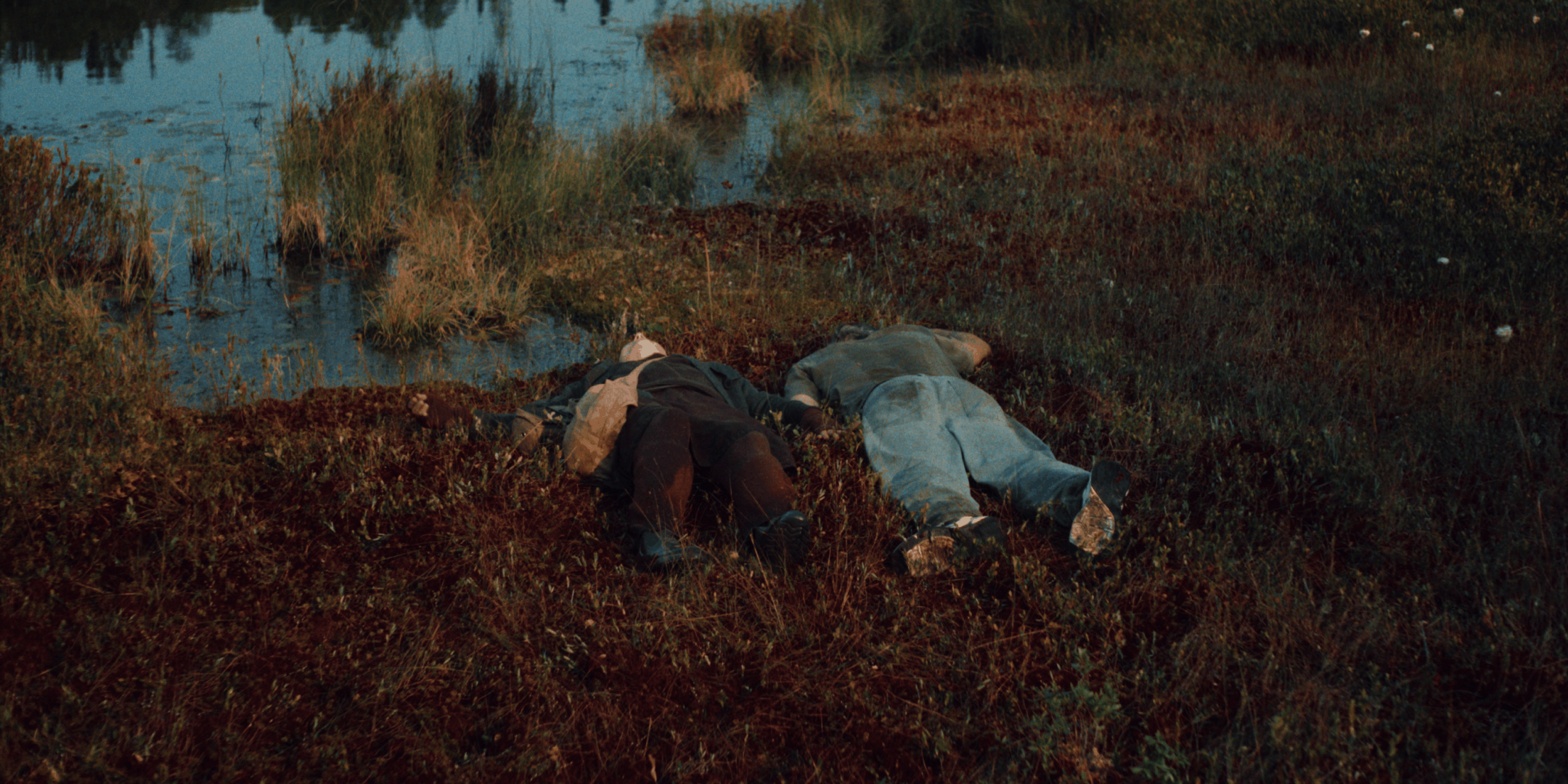
With a small crew in the forests of Mauricie, Quebec, we filmed a strange, muggy world. The mushrooms and the peat bog led us into a reflection on nostalgia and the ghosts that haunt our lives. The family drama becomes a pretext for a timeless meditation, closer to myth than autofiction, even though the story is inspired by real events.
Like Hlynur Pálmason or Elem Klimov, we sought the right distance from our characters, allowing the landscapes to tell their tragedy. It’s humid, moldy, and alive. Ecological without intending to be, we embrace what grows on the margins and reposition humanity in an egalitarian relationship with nature. Call it the compost body cult. A breath of fresh soil.